
Plastic Sample Bottles 500ml Laboratory Grade Polypropylene Wide Mouth Reagent Bottles
“KAUSHIK INDIA Borosilicate Glass Test Tube With Rim 15mmX125mm(13ml) Capacity- Pack of 8pcs|Heat & Chemical Durability|Perfect For Any School,Colledge Labs Experiment & For Sample collection” has been added to your cart. View cart
Sale!

Plastic Sample Bottles 500ml Laboratory Grade Polypropylene Wide Mouth Reagent Bottles Clear Liquids Storage Bottles with Lids Leak Proof Containers for Lab Classroom (12)
₹899.00 Original price was: ₹899.00.₹745.00Current price is: ₹745.00.
Categories: Regeant Bottle Polypropylene, Scientific Instruments
Description
The Definitive Guide to Plastic Sample Bottles: Versatile Containment for Modern Sampling
Introduction to Plastic Sample Bottles
Plastic Sample Bottles are ubiquitous containers used across numerous industries for sample collection, storage, and transport. These specialized bottles are engineered to preserve the integrity of a wide variety Plastic Sample Bottle of substances. The primary purpose of a sample bottle is to provide a secure, uncontaminated environment for a representative portion of a material.
The versatility of Plastic Sample Bottles makes them indispensable in fields from scientific research to industrial quality control. Unlike generic containers, these bottles are designed with specific chemical and physical properties in mind Plastic Sample Bottle. They are manufactured from polymers that offer excellent durability and resistance to breakage.
The selection of a Plastic Sample Bottle is critical to the accuracy of any subsequent analysis Plastic Sample Bottle. The wrong container can lead to sample contamination, degradation, or adsorption. Understanding the different types of sample bottles and their appropriate applications is fundamental for professionals in laboratory and field settings.
From environmental monitoring to pharmaceutical development, Plastic Sample Bottles play a silent yet crucial role in ensuring data reliability. They are the first link in the chain of custody for countless analytical procedures.
What are Plastic Sample Bottles? A Detailed Definition
Plastic Sample Bottles are containers specifically designed to hold representative quantities of materials for analysis or reference. The term “sample bottle” implies a level of quality and inertness beyond that of ordinary plastic jars. These Plastic Sample Bottle are constructed from high-purity polymers suitable for contact with sensitive materials.
A Plastic Sample Bottle is characterized by its ability to maintain the chemical and physical properties of its contents from the moment of collection until analysis. This often involves features like airtight seals, light-blocking colors, and tamper-evident closures. The Plastic Sample Bottle serves as a miniature preservation system.
These bottles come in a vast array of sizes, typically ranging from a few milliliters to several liters. The size of the Plastic Sample Bottle is chosen based on the required sample volume for testing, while considering storage space and transportation logistics. The design prioritizes both protection and practicality.
In essence, a Plastic Sample Bottle is a tool for scientific integrity. It is the guardian of the sample, ensuring that what arrives at the laboratory is as representative as possible of the original source material.
The Anatomy of a Plastic Sample Bottle: A Component Breakdown
The Bottle Body: The Primary Container
The body of a Plastic Sample Bottle is its main chamber, designed to hold the sample without interaction. It is typically cylindrical or rectangular for efficient stacking and storage. The walls of the sample bottle are smooth to facilitate easy cleaning and prevent material adhesion.
The capacity of the Plastic Sample Bottle body is clearly marked, often with graduation lines for approximate volume measurement. The material thickness is optimized to provide strength without being wasteful. The body must be robust enough to withstand transportation stresses without compromising the sample.
For many applications, the sample bottle body is made from translucent or opaque materials to protect light-sensitive contents. The design often includes a flat base for stability on laboratory benches or analytical instruments. The body is the foundation upon which the entire sample containment system is built.
The Closure System: The Seal of Integrity
The closure is arguably the most critical component of a Plastic Sample Bottle. It is responsible for creating a hermetic seal that prevents leakage, evaporation, and contamination. Sample bottle closures come in various forms, including screw caps, snap caps, and dispensing caps.
A high-quality Plastic Sample Bottle closure features threads that match the bottle neck perfectly, ensuring a secure fit. Many closures include liners or septa made of materials like PTFE or silicone to enhance the seal’s effectiveness. This is especially important for volatile organic compounds (VOCs) in environmental sample bottles.
The closure system often incorporates tamper-evident features, such as breakable bands or unique sealing mechanisms. This provides a visual indication that the sample bottle has not been opened since collection, which is crucial for legal chain-of-custody protocols.
The Neck and Opening: The Access Point
The neck of a Plastic Sample Bottle is engineered for both easy filling and secure sealing. It can be wide-mouthed to accommodate solid samples or viscous liquids, or narrow to facilitate pouring and reduce evaporation. The design of the sample bottle neck directly influences its application.
The finish of the neck—where the closure screws on—must be precision-molded to ensure a perfect seal. Any imperfections can lead to leaks or vapor loss. For chemical sample bottles, the neck may include a special finish to accommodate specific types of liners or septa.
The opening of the Plastic Sample Bottle is also designed to minimize contamination during sampling. Smooth, rounded edges prevent dribbling and make the bottle easier to clean. The neck is a crucial interface between the sample and the external environment.
The Critical Role of Material: Selecting the Right Polymer
High-Density Polyethylene (HDPE) Sample Bottles
HDPE Plastic Sample Bottles are among the most common types used in laboratories. HDPE offers excellent chemical resistance to a wide range of acids, bases, and solvents. These sample bottles are semi-opaque, providing good protection against light exposure.
The durability of HDPE sample bottles makes them ideal for field sampling and storage of aqueous solutions. They are less permeable to water vapor than many other plastics, helping to prevent sample concentration through evaporation. HDPE sample bottles are a versatile, general-purpose choice for many applications.
Polypropylene (PP) Sample Bottles
Polypropylene Sample Bottles are known for their excellent chemical resistance and high-temperature tolerance. PP can withstand autoclave sterilization (typically up to 135°C), making these sample bottles suitable for applications requiring aseptic conditions.
These bottles are often translucent, allowing for visual inspection of contents, and are more rigid than HDPE. PP sample bottles are particularly useful in biological and pharmaceutical settings where sterility is paramount. They are also resistant to many organic solvents.
Polyethylene Terephthalate (PET) Sample Bottles
PET Sample Bottles combine the benefits of lightweight plastics with the appearance of glass, making them highly versatile for both laboratory and commercial applications. Their exceptional clarity is one of their defining features, closely resembling that of glass containers. This transparency is particularly valuable when visual inspection of the sample is required, such as monitoring color changes, turbidity, or particulate content.
Another advantage of PET is its good gas barrier properties, which help reduce oxygen ingress and protect oxygen-sensitive samples. This makes PET bottles suitable for samples that may degrade or oxidize upon exposure to air, offering better protection compared to some other plastic materials.
However, PET does come with limitations. Its chemical resistance is lower than that of high-density polyethylene (HDPE) or polypropylene (PP). PET bottles are not ideal for storing strong acids, bases, or solvents, as these can degrade the material and compromise sample integrity. Instead, they are best suited for neutral or mild chemical samples, dry powders, or aqueous solutions that are compatible with PET’s chemical profile.
In addition to laboratory use, PET bottles are widely used for consumer products such as beverages, pharmaceuticals, cosmetics, and household chemicals. In laboratory contexts, they are valued for both their practical utility and their presentation quality. The glass-like clarity makes them particularly useful in demonstrations, exhibitions, or educational settings, where the appearance of the sample is as important as its storage.
Overall, PET Sample Bottles strike a balance between functionality and presentation, serving as an excellent choice when visual clarity, oxygen protection, and lightweight handling are priorities, provided the sample is chemically compatible.
Fluoropolymer Bottles (e.g., PFA, FEP)
For the most demanding applications, Fluoropolymer Sample Bottles made from PFA (Perfluoroalkoxy) or FEP (Fluorinated Ethylene Propylene) are used. These plastic sample bottles offer virtually universal chemical resistance, comparable to Teflon™.
They are transparent, can withstand very high temperatures, and are used for ultra-trace analysis where even minute leaching from the container is unacceptable. PFA sample bottles are the gold standard for storing high-purity acids and aggressive solvents in semiconductor and advanced materials labs.
Types of Plastic Sample Bottles for Specific Applications
Environmental Sample Bottles
Environmental Sample Bottles are pre-cleaned and certified for the collection of water, soil, and air samples for regulatory analysis. They are often supplied with preservatives (e.g., HCl for metals, sodium thiosulfate for chlorine) and have strict chain-of-custody requirements.
VOC Sample Bottles, a subset of environmental bottles, are specifically designed for Volatile Organic Analysis. They are typically 40ml glass sample bottles with a Teflon-lined septum, but some are now made from inert plastics for certain applications, minimizing headspace to prevent volatilization.
Urine Sample Bottles
Urine Sample Bottles are sterile, leak-proof containers used in clinical and occupational health settings. They feature wide mouths for easy collection and secure, screw-top lids. These sample bottles may contain preservatives to stabilize the urine for various tests (e.g., boric acid for microbiology).
They are designed for safe transport and are often marked with volume graduations and patient information labels. The integrity of a urine sample bottle is critical for accurate diagnostic results.
Chemical Sample Bottles
Chemical Sample Bottles are selected based on the compatibility of the plastic with the chemical being stored. Laboratories use these bottles to store stock solutions, reagents, and waste. They are available in amber or clear colors, with choices of caps (screw, dispenser, etc.) to suit the chemical’s properties (volatility, viscosity).
Pharmaceutical Sample Bottles
In the pharmaceutical industry, Sample Bottles are used for storing raw materials, in-process samples, and finished products. These bottles must meet stringent regulatory requirements (e.g., USP <661>) for extractables and leachables. They are often made from high-purity PP or HDPE and may be sterile.
Key Specifications for Selecting Plastic Sample Bottles
Volume Capacity and Size
The volume capacity of a Plastic Sample Bottle is a primary specification. Sizes range from small, 4ml vials to large, 4-liter bottles. The choice depends on the required sample volume for analysis, plus any necessary surplus for retests or archival storage. The sample bottle must also be appropriate for the available storage space.
Closure Type and Seal Integrity
The closure type is critical. Screw caps are common and offer a secure seal. Snap caps provide quick access but may be less secure. Dispensing caps are useful for liquids. The seal integrity of the sample bottle is paramount, especially for volatile or precious samples. Look for caps with liners or septa for enhanced sealing.
Chemical Compatibility
This is the most important specification. The polymer of the Plastic Sample Bottle must be compatible with the sample to avoid container failure (cracking, melting) or sample contamination (leaching, adsorption). Always consult chemical compatibility charts before selecting a sample bottle.
Clarity and Light Transmission
Choose clear Plastic Sample Bottles when visual inspection of the sample is necessary. Choose amber or colored bottles to protect light-sensitive samples from UV and visible light degradation. The level of light protection required will guide this choice.
Primary Applications and Uses
Laboratory Sample Storage
Plastic Sample Bottles are workhorses in laboratories for storing chemicals, reagents, and standard solutions. Their chemical resistance and durability make them superior to glass for many applications. They help maintain an organized and safe lab environment.
Field Sampling and Collection
Environmental scientists, geologists, and quality control technicians use Plastic Sample Bottles for on-site collection of water, soil, and other materials. Their shatterproof nature is essential for safety in the field. Pre-cleaned sample bottles ensure that samples are not contaminated during collection.
Clinical and Biological Specimens
In healthcare, Sample Bottles are used to collect and transport patient specimens like urine, sputum, and tissue samples. Sterility and leak-proof construction are non-negotiable features for these applications, ensuring accurate diagnostics and protecting healthcare workers.
Industrial Quality Control
Manufacturing plants use Plastic Sample Bottles to collect samples of raw materials, in-process materials, and finished goods for quality testing. The sample bottle ensures that the sample tested is representative of the larger batch, which is critical for quality assurance.
Proper Usage, Handling, and Sampling Protocols
Pre-Use Preparation and Cleaning
Before use, Plastic Sample Bottles must be properly prepared to ensure accuracy and avoid contamination. Even brand-new bottles can contain manufacturing residues, mold-release agents, or dust particles that may interfere with sensitive analyses if not removed.
For general applications, it is recommended to rinse the bottles with a solvent that is compatible with both the plastic material (commonly polypropylene or polyethylene) and the intended sample. This step helps eliminate any surface residues and prepares the bottle for clean sample collection.
In cases of trace-level or ultra-trace analysis—such as heavy metal determination, environmental monitoring, or pharmaceutical testing—more rigorous cleaning is required. Bottles may need to be soaked in acid baths (commonly dilute nitric acid or hydrochloric acid) to dissolve any adsorbed contaminants or trace elements. After acid treatment, bottles must be thoroughly rinsed with high-purity distilled or deionized water to remove all traces of acid.
Once cleaned, it is crucial to allow the bottles to air dry completely in a clean, dust-free environment. Drying prevents dilution of samples and avoids water residues that could skew analytical results. For critical applications, drying in a laminar flow hood or cleanroom environment may be necessary.
Additional tips include:
-
Use dedicated bottles for specific sample types to avoid cross-contamination.
-
Cap bottles loosely during drying to prevent airborne particles from settling inside.
-
Inspect bottles for scratches, discoloration, or deformation, which may compromise sample integrity.
By following proper pre-use preparation and cleaning protocols, laboratories can ensure that Plastic Sample Bottles provide reliable, contamination-free storage for a wide variety of samples, from routine classroom experiments to advanced analytical testing.
Sample Collection Techniques
The correct technique for filling a Plastic Sample Bottle depends largely on the nature of the sample being collected. Proper collection is critical to ensure that the sample remains representative, uncontaminated, and suitable for analysis.
For liquid samples, the bottle should generally be filled while leaving a small headspace at the top. This prevents pressure buildup, allows for thermal expansion, and helps avoid spillage. However, certain tests—such as volatile organic compound (VOC) analysis—require the bottle to be filled completely, with no headspace, to prevent loss of volatile components.
For solid samples, such as powders, soils, or granules, the material should be transferred without excessive packing. Overpacking can trap air pockets, create compaction, and compromise sample representativeness. The objective is to collect a homogeneous portion that reflects the larger bulk material, ensuring reliable test results.
Key precautions during collection include:
-
Always use clean, sterilized bottles to avoid cross-contamination Plastic Sample Bottles.
-
Wear appropriate PPE (gloves, goggles, lab coat) when handling hazardous materials.
-
Label the bottle immediately after collection with sample ID, date, and conditions.
-
Avoid touching the inner surface of the lid or bottle mouth, as this may introduce contaminants.
By following these techniques, laboratories and classrooms can ensure that Plastic Sample Bottles preserve the integrity of liquids or solids, supporting accurate and reproducible experimental or analytical outcomes Plastic Sample Bottles
.
Labeling and Chain of Custody
Immediately after collection, the Plastic Sample Bottles must be labeled with unique identifying information (sample ID, date, time, location, collector). For regulatory work, a formal chain-of-custody form is used to track everyone who handles the sample bottle, ensuring legal defensibility.
Cleaning, Maintenance, and Reuse
Cleaning Procedures
Reusable Plastic Sample Bottles must be cleaned thoroughly between uses Plastic Sample Bottles. The protocol depends on the previous contents. A typical wash might involve a solvent rinse, followed by a detergent wash, multiple rinses with tap water, and a final rinse with deionized water or a high-purity solvent.
Inspection for Damage and Wear
Before reuse, inspect the Plastic Sample Bottles for signs of wear, such as cracks, crazing, or discoloration. Check the threads on the bottle and cap for damage. A damaged Plastic Sample Bottles should be discarded, as it cannot guarantee sample integrity.
Storage of Empty Bottles
Store clean, empty Plastic Sample Bottles in a clean, dry place, preferably with the caps loosened to prevent odor buildup and to allow air circulation. Keep them away from chemical vapors that could be absorbed by the plastic.
The Future of Plastic Sample Bottles
Sustainable and Bio-Based Materials
The future will see increased use of Plastic Sample Bottles made from recycled content or bio-based polymers, reducing reliance on virgin fossil fuels. The challenge will be to maintain the high level of purity and performance required for scientific applications.
Smart Packaging and Tracking
Integration of RFID tags or QR codes directly into Plastic Sample Bottles will enhance sample tracking and data management. This could automate chain-of-custody logging and provide instant access to sampling protocols and storage conditions.
Conclusion: The Indispensable Container for Data Integrity
Plastic Sample Bottles are far more than simple containers. They are a critical component in the scientific and industrial processes that rely on accurate data. From ensuring the quality of our drinking water to supporting the development Plastic Sample Bottles of new pharmaceuticals, the humble sample bottle plays a vital role.
The correct selection and use of a Plastic Sample Bottles is the first and most crucial step in generating reliable, defensible data. Their evolution towards smarter, more sustainable designs will continue Plastic Sample Bottles to support advancements in science and industry for years to come. They are a fundamental tool in the pursuit of knowledge and quality.
Be the first to review “Plastic Sample Bottles 500ml Laboratory Grade Polypropylene Wide Mouth Reagent Bottles Clear Liquids Storage Bottles with Lids Leak Proof Containers for Lab Classroom (12)” Cancel reply
Related products
-
Sale!

Borosilicate Glass Round Bottom Boiling Flask with Inter Changeable Joint. 50 ML Capacity. Distillation Flask
₹299.00Original price was: ₹299.00.₹199.00Current price is: ₹199.00. -
Sale!

2 Neck Round 250 ML Bottom Boiling Flask with 24/40 Center & Side Joints Angled Receiving Reflux Flask Multi Neck Apparatus Organic Chemistry Lab Glassware
₹499.00 – ₹999.00Price range: ₹499.00 through ₹999.00Select options This product has multiple variants. The options may be chosen on the product page Details -
Sale!
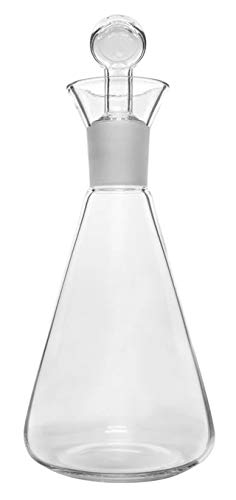
Iodine Flask With Glass Stopper 500ml. Iodine Flask for Lab
₹899.00Original price was: ₹899.00.₹499.00Current price is: ₹499.00.
Reviews
There are no reviews yet.