
This pack of 144pcs 3ml clear homeopathy plastic bottles is lightweight, durable, and leak-proof, making it ideal for storing remedies & essential oils.
“Borosilicate Glass Test tube 6 pcs 18mmx120mm 15ml graduated scientific tube with rim automatic machine made glassware for scientific laboratory use” has been added to your cart. View cart
Sale!

Half Dram homeopathy plastic clear bottles 3ml [ Pack of 144 pieces ]
₹550.00 Original price was: ₹550.00.₹230.00Current price is: ₹230.00.
Categories: Regeant Bottle Polypropylene, Scientific Instruments
Description
-
The Complete Guide to Homeopathy Plastic Bottles: Preserving Potency and Purity
Introduction to Homeopathy Plastic Bottles
Homeopathy Plastic Bottles are specialized containers designed for homeopathic remedies. These bottles are essential for storing tinctures, dilutions, and medicated pellets. The plastic bottles used in homeopathy must meet stringent requirements. They protect the delicate energetic properties of homeopathic preparations.
The primary function of Plastic Bottles is to preserve remedy potency. They shield contents from light, air, and environmental contaminants. These bottles are typically made from high-quality, inert plastic polymers. The material must not interact with the homeopathic substance.
Plastic Bottles come in various sizes and designs. They range from small dropper bottles for liquid remedies to larger stock bottles. Each homeopathy bottle is engineered to maintain the integrity of its contents. Understanding these bottles is crucial for practitioners and patients.
The design of Plastic Bottles reflects the unique needs of homeopathic practice. They are more than mere containers; they are part of the therapeutic system. Proper selection and use of plastic bottles ensure remedy effectiveness. They are fundamental to homeopathic pharmacy.
What are Homeopathy Plastic Bottles? A Detailed Definition
Homeopathy Plastic Bottles are pharmaceutical-grade containers specifically for homeopathic medicines. Unlike conventional medicine bottles, they are designed to preserve subtle energies. These plastic bottles must prevent chemical and energetic contamination. They are a critical component in homeopathic treatment.
The homeopathy bottle typically features light-resistant coloring, often amber or blue. This protects light-sensitive remedies from degradation. The plastic bottles used are made from inert materials like polypropylene or HDPE. These materials do not leach chemicals into the remedies.
Homeopathy Plastic Bottles often include specialized closures. Dropper inserts, caps, and seals are designed for precise dosing. The bottles must be completely airtight to prevent evaporation and oxidation. This is essential for maintaining remedy stability over time.
These plastic bottles are used by manufacturers, pharmacies, and practitioners worldwide. They represent the intersection of traditional homeopathic principles and modern packaging technology. The bottle is specifically engineered for its unique contents.
The Anatomy of Homeopathy Plastic Bottles: Component Breakdown
The Bottle Body: The Primary Container
The body of Plastic Bottles is designed for maximum protection. It is typically cylindrical or rectangular with smooth, seamless walls. The plastic bottles feature thick, opaque construction to block light completely. This prevents photodegradation of the homeopathic remedies.
The homeopathy bottle body capacity ranges from 10ml to 1000ml. Smaller bottles are for individual patient prescriptions. Larger plastic bottles serve as stock containers for pharmacies. The body design ensures easy handling and storage.
Plastic Bottles have wide mouths or narrow necks depending on their purpose. The interior surface is smooth to prevent material adhesion. The bottles are designed for complete drainage and easy cleaning. The body construction maintains integrity through temperature changes.
The Closure System: Ensuring Airtight Seal
The closure system is critical for Plastic Bottles. It typically consists of a threaded cap with a secure sealing mechanism. The plastic bottles use child-resistant or regular closures based on application. The cap must create a perfect airtight seal.
Many homeopathy bottle designs include inner seals or liners. These provide additional protection against air and moisture ingress. The plastic bottles may feature tamper-evident bands for safety. The closure system ensures long-term remedy preservation.
Dropper assemblies are common in Plastic Bottles. These allow precise liquid dosage administration. The bottles with droppers include rubber bulbs or plastic pipettes. The closure system is designed for repeated use without compromising seal quality.
The Labeling Surface: Information Display
Homeopathy Plastic Bottles feature a flat, smooth surface for labeling. This area accommodates prescription details, potency information, and instructions. The plastic bottles have sufficient space for comprehensive labeling. This is essential for proper remedy identification.
The labeling surface is designed to maintain adhesive integrity. Homeopathy bottle labels must remain legible throughout the product’s lifespan. The bottles may include raised panels or borders for label alignment. Proper labeling is crucial for homeopathic practice.
Some Plastic Bottles feature embossed measurement markings. These provide rough volume indicators for liquid remedies. The bottles are designed to accommodate various labeling technologies. This supports both manual and automated dispensing processes.
The Critical Role of Material: Why Plastic is Preferred
Chemical Inertness and Purity
Plastic Bottles require absolute chemical inertness. High-density polyethylene (HDPE) and polypropylene (PP) are preferred materials. These plastic bottles do not react with homeopathic dilutions. They preserve the subtle energetic properties of remedies.
The material must not leach plasticizers or other chemicals. Homeopathy bottle integrity depends on complete material purity. Pharmaceutical-grade plastic bottles undergo rigorous testing for inertness. This ensures they meet homeopathic standards.
Material selection prevents contamination of highly diluted remedies. Even minute chemical interactions could alter remedy properties. Homeopathy Plastic Bottles use virgin polymers without additives. This guarantees the highest level of material purity.
Light Protection Properties
Homeopathy Plastic Bottles provide excellent light protection through coloration. Amber and cobalt blue are standard colors for these plastic bottles. They filter out harmful UV and visible light wavelengths. This protection is crucial for light-sensitive homeopathic preparations.
The opaque nature of these bottles prevents photodegradation. Homeopathy bottle materials contain light-blocking pigments throughout the polymer. This ensures consistent protection even if the surface becomes scratched. Light protection maintains remedy potency over time.
Some Homeopathy Plastic Bottles use multi-layer construction. This provides additional barrier properties against light penetration. The bottles are designed to meet pharmacopoeial requirements for light protection. This is essential for homeopathic remedy stability.
Durability and Safety Features
Homeopathy Plastic Bottles offer superior durability compared to glass. They are shatterproof and resistant to impact damage. These plastic bottles can withstand shipping and handling stresses. This reduces product loss and maintains remedy integrity.
The lightweight nature of homeopathy bottle plastic reduces shipping costs. It also makes the bottles easier for patients to handle. Plastic bottles are less likely to cause injury if dropped. This safety feature is particularly important for elderly or disabled users.
Homeopathy Plastic Bottles maintain integrity through temperature variations. They don’t become brittle in cold conditions like glass might. The bottles offer reliable performance in various climate conditions. This durability ensures consistent protection for homeopathic remedies.
Types of Homeopathy Plastic Bottles for Different Remedies
Dropper Bottles for Liquid Dilutions
Dropper Bottles are essential for liquid homeopathic preparations. These Homeopathy Plastic Bottles feature integrated or separate dropper assemblies. They allow precise dosage control for tinctures and liquid dilutions. The bottles typically range from 10ml to 60ml capacity.
The homeopathy bottle dropper system ensures accurate remedy administration. It prevents contamination during repeated use. These plastic bottles often have graduated markings for volume measurement. They are ideal for both practitioners and patients.
Dropper Bottles maintain the potency of liquid homeopathic remedies. Their airtight seals prevent evaporation of alcohol-based solutions. The Homeopathy Plastic Bottles with droppers are convenient for daily use. They support proper homeopathic treatment protocols.
Stock Bottles for Pharmacy Use
Stock Bottles are larger Homeopathy Plastic Bottles used by pharmacies and manufacturers. These bottles typically range from 100ml to 1000ml capacity. They store bulk quantities of homeopathic mother tinctures and dilutions. The homeopathy bottle design prioritizes long-term storage stability.
These plastic bottles feature wide mouths for easy filling and dispensing. They have robust closure systems for repeated access. Stock Bottles often include additional tamper-evident features. This ensures remedy integrity throughout the supply chain.
The Homeopathy Plastic Bottles for stock use meet higher durability standards. They withstand professional handling in pharmacy environments. These bottles are essential for homeopathic remedy preparation and distribution.
Pilot Bottles for Sample Distribution
Pilot Bottles are small Homeopathy Plastic Bottles for samples and testing. These bottles typically hold 5ml to 15ml of remedy. They are used by practitioners for initial prescriptions and trials. The homeopathy bottle size minimizes waste while allowing proper assessment.
These plastic bottles maintain the same protective qualities as larger containers. They are cost-effective for distributing multiple remedy samples. Pilot Bottles help practitioners determine the most effective treatment. They support the homeopathic principle of individualized medicine.
The small size of these Homeopathy Plastic Bottles makes them portable. Patients can carry them conveniently for timely dosage. These bottles play an important role in homeopathic case management.
Key Specifications for Selecting Homeopathy Plastic Bottles
Material Grade and Certification
Homeopathy Plastic Bottles must use pharmaceutical-grade materials. USP Class VI certification is often required for these plastic bottles. The homeopathy bottle material should have appropriate regulatory approvals. This ensures compatibility with homeopathic preparations.
Material certificates should be available from suppliers. Homeopathy Plastic Bottles must be manufactured under quality systems. ISO 9001 certification indicates proper manufacturing controls. These specifications guarantee bottle quality and consistency.
Some homeopathy bottle applications require specific material certifications. European Pharmacopoeia compliance may be necessary for international markets. The plastic bottles should meet all relevant regulatory requirements. This is essential for homeopathic product registration.
Light Transmission Protection
Homeopathy Plastic Bottles must provide specific light protection levels. Pharmacopoeial standards often require less than 10% light transmission. The bottles should be tested for UV and visible light blockage. Homeopathy bottle protection levels must be documented.
Light protection is particularly important for alcohol-based remedies. Homeopathy Plastic Bottles should maintain protection throughout their lifespan. Accelerated aging tests verify long-term light protection. This specification is crucial for remedy stability.
The plastic bottles should specify the wavelengths they effectively block. Different homeopathic preparations may have specific light sensitivity. Homeopathy bottle selection should match the remedy’s protection needs.
Chemical Compatibility and Inertness
Homeopathy Plastic Bottles must demonstrate chemical compatibility. They should not interact with alcohol, water, or remedy substances. Extraction studies verify the bottles don’t leach chemicals. The homeopathy bottle must preserve remedy purity.
Compatibility testing should include long-term storage conditions. Homeopathy Plastic Bottles are tested with typical homeopathic solvents. The bottles must not absorb remedy components or alter potencies. This ensures energetic integrity of homeopathic preparations.
Material safety data sheets should confirm homeopathy bottle inertness. The plastic bottles should be free from heavy metals and other contaminants. Chemical compatibility is non-negotiable for homeopathic applications.
Primary Applications in Homeopathic Practice
Remedy Storage and Preservation
Homeopathy Plastic Bottles are primarily used for remedy storage. They protect homeopathic preparations from environmental factors. The bottles prevent exposure to light, air, and moisture. This preservation is essential for maintaining remedy potency.
Proper storage in Homeopathy Plastic Bottles ensures long-term stability. Remedies can maintain effectiveness for years when properly stored. The bottles provide the controlled environment homeopathic substances require. This application is fundamental to homeopathic pharmacy.
Homeopathy Plastic Bottles support the unique storage needs of different potencies. They accommodate various remedy forms from mother tinctures to high dilutions. The bottles are essential for both professional and home use.
Dispensing and Patient Use
Homeopathy Plastic Bottles facilitate accurate remedy dispensing. Practitioners use them to prepare individual patient prescriptions. The bottles allow precise dosing through droppers or direct administration. They make homeopathic treatment accessible to patients.
Patient-use Homeopathy Plastic Bottles are designed for convenience. They are portable and easy to handle for daily remedy administration. The bottles often include clear usage instructions. This supports proper patient compliance with treatment protocols.
Dispensing Homeopathy Plastic Bottles maintain remedy integrity between uses. Their closure systems prevent contamination during repeated opening. The bottles ensure patients receive consistent potency throughout treatment.
Manufacturing and Potentization
In homeopathic manufacturing, Homeopathy Plastic Bottles are used during potentization. They contain remedies through successive dilution and succussion steps. The bottles must not interfere with the energetic transfer process. This is critical for proper remedy preparation.
Manufacturing-scale Homeopathy Plastic Bottles meet specific technical requirements. They are designed for use in automated potentization equipment. The bottles maintain consistency across production batches. This ensures standardized homeopathic remedy quality.
Homeopathy Plastic Bottles in manufacturing undergo rigorous quality control. They are validated for their role in the potentization process. The bottles are integral to authentic homeopathic preparation methods.
Proper Usage and Handling Techniques
Filling and Sealing Procedures
Homeopathy Plastic Bottles require proper filling techniques. They should be filled in clean environments to prevent contamination. The bottles need appropriate headspace for liquid remedies. This accommodates expansion and contraction with temperature changes.
Sealing Homeopathy Plastic Bottles correctly is crucial for preservation. Caps should be tightened securely but not excessively. The bottles must be sealed immediately after filling. This minimizes exposure to air and potential contaminants.
Professional filling operations often use automated equipment. Homeopathy Plastic Bottles are designed for efficient production line handling. The bottles maintain seal integrity through filling and capping processes.
Storage Conditions and Guidelines
Homeopathy Plastic Bottles should be stored in cool, dark places. Ideal storage temperatures are between 15°C and 25°C. The bottles must be kept away from strong odors and electromagnetic fields. These conditions support remedy stability.
Storage areas for Homeopathy Plastic Bottles should have low humidity. High humidity can compromise bottle seals over time. The bottles should be organized for easy identification and access. Proper storage extends both bottle and remedy lifespan.
Homeopathy Plastic Bottles should not be stored near heat sources. Direct sunlight exposure should be avoided even with light-resistant bottles. Following storage guidelines maintains remedy effectiveness.
Cleaning and Reuse Protocols
Some Homeopathy Plastic Bottles can be reused after proper cleaning. They should be thoroughly washed with pure water and natural detergents. The bottles must be completely dried before reuse. Sterilization may be necessary for certain applications.
Reuse of Homeopathy Plastic Bottles requires careful consideration. They should only be reused for the same remedy potency. The bottles must be inspected for damage or wear before reuse. Proper cleaning prevents cross-contamination between remedies.
Not all Homeopathy Plastic Bottles are suitable for reuse. Single-use bottles may be preferred for certain potencies. Practitioners should establish clear protocols for bottle reuse.
Regulatory Compliance and Quality Standards
Good Manufacturing Practice (GMP) Compliance
Homeopathy Plastic Bottles manufactured for pharmaceutical use must comply with GMP. This ensures consistent quality and safety standards. The bottles are produced in controlled manufacturing environments. GMP compliance is verified through regular audits.
Homeopathy Plastic Bottles used for commercial products require GMP certification. This applies to both the bottle material and manufacturing process. The bottles must meet defined specifications and quality controls. GMP ensures reliability for homeopathic manufacturers.
Documentation for Homeopathy Plastic Bottles includes batch records and certificates of analysis. This traceability supports quality assurance processes. GMP-compliant bottles give confidence to practitioners and patients.
Pharmacopoeial Standards
Homeopathy Plastic Bottles must meet relevant pharmacopoeial standards. The Homeopathic Pharmacopoeia of the United States (HPUS) provides guidelines. European Pharmacopoeia standards apply in many countries. These standards define bottle requirements for homeopathic products.
Pharmacopoeial standards address Homeopathy Plastic Bottles material specifications. They include testing methods for light transmission and chemical compatibility. The bottles must demonstrate suitability for homeopathic use. Compliance ensures international acceptance.
Manufacturers of Homeopathy Plastic Bottles often provide pharmacopoeial compliance data. This supports product registration in different markets. The bottles help homeopathic products meet regulatory requirements.
The Future of Homeopathy Plastic Bottles
Sustainable Material Innovations
The future of Homeopathy Plastic Bottles includes sustainable material development. Biodegradable polymers and recycled materials are being explored. These bottles would maintain protective qualities while reducing environmental impact. The homeopathic community values ecological responsibility.
New Homeopathy Plastic Bottles may incorporate plant-based plastics. These would offer the same inertness as traditional polymers. The bottles would support the holistic principles of homeopathy. Sustainable innovation aligns with homeopathic values.
Smart Packaging Features
Future Homeopathy Plastic Bottles may include smart packaging technologies. Temperature indicators could verify proper storage conditions. The bottles might feature RFID tags for inventory management. These innovations would enhance remedy integrity assurance.
Smart Homeopathy Plastic Bottles could include dosage tracking features. They might integrate with mobile applications for patient compliance. The bottles would maintain traditional protective functions while adding modern convenience. Technology would serve homeopathic principles.
Conclusion: Essential Partners in Homeopathic Healing
Homeopathy Plastic Bottles are far more than simple containers. They are essential partners in preserving homeopathic remedy integrity. Their specialized design protects the subtle energies that characterize homeopathic medicine. The bottles represent a perfect blend of traditional wisdom and modern technology.
From manufacturing through patient use, Homeopathy Plastic Bottles maintain remedy potency. Their material science supports the unique requirements of homeopathic preparations. The bottles enable the accurate dosing and long-term stability that homeopathy requires.
As homeopathy continues to gain global recognition, these specialized bottles will remain fundamental. They support practitioners in delivering effective treatments and patients in maintaining their health. Homeopathy Plastic Bottles truly embody the principle that the container is as important as the content in holistic healing.
Be the first to review “Half Dram homeopathy plastic clear bottles 3ml [ Pack of 144 pieces ]” Cancel reply
Related products
-
Sale!

Borosilicate 3.3 Glass Measuring Cylinder with Graduation Marks for Measuring of Liquids 100 ML
₹99.00 – ₹1,499.00Price range: ₹99.00 through ₹1,499.00Select options This product has multiple variants. The options may be chosen on the product page Details -
Sale!

2 Neck Round 250 ML Bottom Boiling Flask with 24/40 Center & Side Joints Angled Receiving Reflux Flask Multi Neck Apparatus Organic Chemistry Lab Glassware
₹499.00 – ₹999.00Price range: ₹499.00 through ₹999.00Select options This product has multiple variants. The options may be chosen on the product page Details -
Sale!
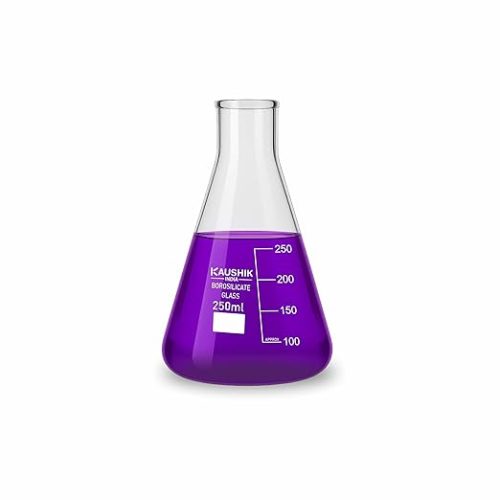
KAUSHIK INDIA Borosilicate Glass Conical Flask,250ml Capacity narrow mouth for storage liquid Chemical school, college, chemistry lab, Laboratories
₹199.00 – ₹569.00Price range: ₹199.00 through ₹569.00Select options This product has multiple variants. The options may be chosen on the product page Details
Reviews
There are no reviews yet.