
These 10 Pcs 300ml Premium BOD Sample Bottles are made from high-quality borosilicate glass with interchangeable stoppers
“Round Bottom Flask 2000 ML With joint b-24” has been added to your cart. View cart
Sale!

BOROSILICATE GLASS BOD BOTTLE WITH INTERCHANGEABLE STOPPER 10 UNITS IN A BOX. 300 ML CAPACITY EACH BOTTLEBOROSILICATE GLASS BOD BOTTLE WITH INTERCHANGEABLE STOPPER 10 UNITS IN A BOX. 300 ML CAPACITY EACH BOTTLE
₹8,499.00 Original price was: ₹8,499.00.₹4,499.00Current price is: ₹4,499.00.
Categories: BOD, Scientific Instruments
Description
The BOD Sample Bottle: Guardian of Data Integrity in Water Quality Analysis
In the critical field of water quality management, the BOD Sample Bottle is not merely a container; it is a fundamental component of scientific protocol. The Biochemical Oxygen Demand, or BOD, test is a cornerstone of environmental monitoring, measuring the amount of dissolved oxygen consumed by microorganisms as they decompose organic matter in a water sample. The integrity of this entire test hinges on the quality and proper use of the BOD sample bottle. This specialized bottle is engineered to protect the sample from the moment of collection until the final analysis is complete.
A BOD water sample is inherently unstable. Exposure to air, temperature fluctuations, and contamination can instantly alter its dissolved oxygen content, rendering the results useless. Therefore, the primary function of a BOD sample bottle is to serve as a sealed, isolated microenvironment. It must prevent the dissolution of atmospheric oxygen into the sample and, equally important, prevent the escape of any gases from within the sample itself. The choice of an appropriate BOD bottle is the first and most critical step in ensuring regulatory compliance and accurate environmental assessment.
This definitive guide explores every facet of the BOD sample bottle. We will delve into the stringent design specifications, the critical materials of construction, and the precise procedures for its use. Furthermore, we will examine the consequences of using an improper container and the best practices for handling and maintenance. For environmental scientists, wastewater treatment plant operators, and compliance officers, mastering the nuances of the BOD bottle is essential for generating reliable data that protects our aquatic ecosystems.
The BOD test, often referred to as BOD5 due to its standard five-day incubation period, is a sensitive bioassay. The BOD sample bottle acts as a miniature incubation chamber. Any flaw in the bottle’s design or a mistake in its handling can lead to significant errors, misrepresenting the health of a river, lake, or effluent stream. Understanding this vital piece of laboratory glassware is non-negotiable for anyone involved in water quality testing.
Chapter 1: The Critical Role of the BOD Sample Bottle in Environmental Testing
The BOD sample bottle is far more than a simple vessel. Its design is a direct response to the specific biochemical requirements of the BOD test. Every feature, from its shape to its cap, has a precise scientific purpose aimed at preserving sample integrity.
Preventing Atmospheric Re-aeration
The single most important function of a BOD sample bottle is to eliminate gas exchange with the atmosphere. After a sample is collected and the bottle is sealed, the dissolved oxygen level must remain constant except for the oxygen consumed by microorganisms. A standard BOD bottle features a unique, ground-glass stopper or a special tapered cap.
This stopper creates a perfect, air-tight seal. This seal is crucial for preventing re-aeration, which is the introduction of atmospheric oxygen into the sample. If outside oxygen enters the BOD bottle, it will replenish the consumed oxygen, leading to an artificially low BOD value. The integrity of the seal on the water sample bottle is paramount for test accuracy.
The design often includes a flared mouth or a ground-glass rim to ensure a seamless fit with the stopper. This precision engineering distinguishes a true BOD sample bottle from other types of laboratory bottles. Using an improper container without this sealing capability invalidates the BOD analysis from the outset.
Facilitating the Incubation Process
The standard BOD test requires a five-day incubation period in the dark at 20°C. During this time, the BOD sample bottle must remain completely sealed. The bottle itself must be made of a material that is inert and will not interact with the sample or influence microbial activity.
The glass used for BOD bottles is typically clear, allowing for visual inspection of the sample. However, during incubation, the bottles are stored in darkness to prevent photosynthesis by any algae present, which would produce oxygen and skew the results. The BOD bottle provides a controlled, isolated environment for the microbial population to act undisturbed.
The bottle’s structural integrity is also vital. It must withstand the constant temperature of the incubation chamber without leaking or cracking. The reliability of the BOD sample bottle over the entire testing period is a foundational assumption of the method.
Ensuring Sample Representativeness
From the moment a sample is collected, it must be representative of the source water. The BOD sample bottle must be scrupulously clean to prevent the introduction of contaminants that could either consume oxygen or introduce additional microbial populations. Any residual organic matter or toxic residue in a dirty BOD bottle will catastrophically compromise the test result.
Proper cleaning procedures for BOD bottles are therefore as important as the bottles themselves. The use of specialized detergents, acid rinses, and final rinses with high-quality water is standard practice. A BOD water sample can only be as clean as the bottle it is placed in. This makes the maintenance of BOD sample bottles a critical laboratory responsibility.
Chapter 2: Design and Specifications of a Standard BOD Sample Bottle
The BOD sample bottle has a very specific set of design features that are standardized globally. Adherence to these specifications, such as those outlined by organizations like ASTM International and Standard Methods, is essential for producing comparable and valid results.
The Iconical Cylindrical Shape and Capacity
A standard BOD bottle has a cylindrical body with a narrow neck. The most common capacity is 300 milliliters. This size is not arbitrary; it provides an optimal surface-area-to-volume ratio that minimizes the potential for surface re-aeration while providing sufficient sample volume for accurate dissolved oxygen measurements.
The narrow neck is a critical design feature. It reduces the surface area of the water exposed to the air space, or headspace, within the bottle. After filling, the BOD sample bottle is typically topped to overflowing to minimize this headspace before sealing. The narrow neck makes this overflowing procedure more manageable and effective than with a wide-mouth container.
Some applications may use different sizes, such as 60 mL or 1-liter BOD bottles, but the 300 mL size remains the industry standard for most wastewater and surface water testing. The dimensions of the BOD bottle are optimized for both sample handling and analytical precision.
The Ground-Glass Stopper and Pour-out Lip
The defining feature of a true BOD sample bottle is its ground-glass stopper. This stopper is meticulously engineered to have a frosted glass surface that matches a corresponding frosted surface on the inside of the bottle’s neck. When engaged, this creates an airtight seal that is superior to any screw-thread or plastic cap.
This seal is essential for preventing gas exchange. The stopper is often hollow to reduce its weight and to provide a convenient grip for removal. When sealing the BOD bottle, the stopper is twisted gently to ensure a complete seal without being forced, which could risk breaking the glass.
Additionally, most BOD bottles feature a small, V-shaped pour-out lip opposite the neck. This lip allows for a smooth, bubble-free pouring action when it is time to empty and clean the bottle. This simple feature aids in laboratory workflow and helps maintain the bottle’s cleanliness.
Material and Construction: Borosilicate Glass
Virtually all high-quality BOD sample bottles are manufactured from borosilicate glass. This type of glass is chosen for its exceptional properties, which are perfectly suited to the demands of the BOD test.
Borosilicate glass is highly resistant to thermal shock. This is important because BOD bottles may need to be sterilized or washed with hot water. The low coefficient of thermal expansion prevents the bottle from cracking under sudden temperature changes.
Furthermore, borosilicate glass is chemically inert. It will not leach chemicals into the BOD water sample or adsorb organic materials from it. This inertness ensures that the microbial activity in the sample is not influenced by the container itself. The clarity of the glass also allows for easy visual inspection of the sample for turbidity or debris.
Chapter 3: The Critical Importance of Bottle Preparation and Cleaning
The preparation of the BOD sample bottle before sample collection is a process that demands meticulous attention. A bottle that is not perfectly clean will introduce fatal errors into the BOD analysis.
Rigorous Cleaning Protocols
The cleaning of BOD sample bottles is a multi-step process designed to remove all organic and inorganic residues. Standard protocols often involve soaking the bottles in a warm, phosphate-free detergent solution to loosen grime, followed by vigorous brushing with a dedicated bottle brush to scrub the interior surfaces.
After detergent washing, a strong acid rinse is commonly used. A rinse with a diluted hydrochloric or sulfuric acid solution helps to dissolve any mineral deposits and neutralizes any alkaline residues from the detergent. This acid wash is a critical step for ensuring the chemical neutrality of the BOD bottle.
The final and most crucial step is a thorough rinsing with high-purity water. Typically, deionized water or reverse osmosis water is used for the final rinses. The bottle must be rinsed multiple times to ensure that no traces of detergent, acid, or other contaminants remain. The water from the final rinse should have a neutral pH and high resistivity.
Preventing Contamination and Toxicity
The goal of cleaning is to create a biologically and chemically neutral environment. Any residual contaminant can have two primary negative effects. First, an organic residue will itself have a BOD value. This “background” BOD will be measured during the test, adding to the sample’s actual BOD and producing a falsely high result.
Second, a toxic residue, such as from a heavy metal or a disinfectant, can inhibit or kill the microorganisms in the sample. If the microbial population is compromised, it will not consume oxygen at a normal rate, leading to an artificially low BOD value. Both scenarios render the data invalid. Therefore, the cleaning of BOD sample bottles is a quality control checkpoint of the highest order.
Chapter 4: Sample Collection and Sealing Techniques
The act of collecting the sample and sealing the BOD sample bottle is a field operation that requires trained personnel and careful technique. Errors at this stage cannot be corrected later in the laboratory.
Proper Sampling Methodology
When collecting a BOD water sample, it is essential to avoid introducing air bubbles. For stream or effluent sampling, a specialized sampling apparatus is often used. One common method involves using a rod and bottle holder to submerge the BOD bottle upside down, then turning it upright at the desired depth to allow it to fill smoothly.
The sample must be collected as a grab sample, meaning it is taken at a specific time and location. It is crucial to fill the BOD sample bottle completely. The technique is to fill the bottle very slowly, allowing it to overflow. This process displaces the water already in the bottle two to three times its volume, ensuring that the water in the bottle is representative and that any air initially in the bottle is purged.
The Art of Sealing and Creating a Water Seal
Once the BOD bottle is filled to overflowing, the sealing process begins. The ground-glass stopper is carefully inserted into the neck while the water is still overflowing. This technique ensures that no air bubbles are trapped inside the bottle. The stopper is then gently twisted to secure the airtight seal.
A key technique often employed is the creation of a water seal. After the stopper is inserted, a small amount of water is placed in the lip of the bottle around the stopper. This water layer acts as an additional barrier against atmospheric oxygen diffusing past the ground-glass seal during the incubation period. This water seal is a best practice that enhances the reliability of the test, especially over the five-day duration.
Chapter 5: Potential Errors and Consequences of Improper Container Use
Using anything other than a properly prepared and sealed BOD sample bottle will lead to significant and often undetectable errors in the BOD analysis. Understanding these pitfalls is key to avoiding them.
The Fatal Flaw of Using Plastic or Other Bottles
A common error is the use of an inappropriate container, such as a standard plastic water sample bottle. While some specialty plastics exist, the permeability of most plastics to gases is a major problem. Oxygen can slowly diffuse through the walls of a plastic container, re-aerating the sample and invalidating the test.
Only a properly sealed glass BOD bottle provides the necessary impermeable barrier. The use of a plastic bottle for BOD sampling is a fundamental violation of the method’s requirements and will produce unreliable, low BOD values. The BOD sample bottle must be made of the correct material to ensure data integrity.
The Impact of Air Bubbles and Incomplete Sealing
An air bubble trapped during the sealing of the BOD bottle introduces a reservoir of oxygen. This bubble will continuously dissolve into the sample, providing a source of oxygen that is not accounted for in the final calculation. This leads to a underestimation of the true BOD.
Similarly, an imperfect seal, such as a chipped ground-glass surface or a loose stopper, will allow atmospheric oxygen to seep into the bottle over the five-day period. These errors are often invisible and can only be prevented by careful technique and using bottles in good condition. Regular inspection of BOD sample bottles for chips or cracks is a necessary maintenance task.
Chapter 6: Specialized Types and Related Analytical Procedures
While the standard 300 mL BOD bottle is most common, certain situations and advanced testing methods require specialized variations.
BOD Bottles with Pre-addressed Reagents
Some BOD testing protocols involve adding nutrients, buffers, or microbial seed to the sample. To simplify this process, some manufacturers offer BOD sample bottles that come pre-loaded with these reagents in a sterile, dry form. The analyst simply adds the water sample to the bottle, dissolving the reagents.
These pre-addressed bottles enhance consistency and reduce the potential for contamination during reagent addition. They are particularly useful for labs that perform a high volume of BOD tests and require standardized starting conditions for every sample.
Respirometric BOD Methods and Their Containers
Advanced BOD analysis techniques use respirometers. These systems measure oxygen consumption by monitoring pressure changes in a closed system. The BOD bottles used in these setups are often connected to sensitive pressure sensors.
These specialized respirometric BOD bottles may have additional ports or fittings to connect to the analytical instrument. While the principle of preventing gas exchange remains the same, the physical design of the bottle is adapted to interface with the sophisticated electronics of the respirometer, allowing for continuous monitoring of the BOD.
Conclusion: The Indispensable Role of the BOD Sample Bottle in Water stewardship
The BOD sample bottle is a masterpiece of purposeful design. It is a deceptively simple piece of laboratory glassware that performs a function of immense importance. Its ability to preserve the delicate balance of a water sample’s dissolved oxygen content is the bedrock upon which the entire BOD test is built.
From its specific borosilicate glass construction to its precision ground-glass stopper, every aspect of the BOD bottle is optimized for accuracy and reliability. The procedures for its cleaning, filling, and sealing are integral parts of the analytical method, demanding as much care as the instrumental measurement itself.
For environmental professionals, the BOD sample bottle is a symbol of their commitment to data quality. The reliable data generated using this essential tool informs critical decisions about wastewater treatment efficiency, regulatory compliance, and the health of our precious water resources. In the ongoing effort to protect our environment, the humble BOD sample bottle remains an indispensable guardian of truth.
Be the first to review “BOROSILICATE GLASS BOD BOTTLE WITH INTERCHANGEABLE STOPPER 10 UNITS IN A BOX. 300 ML CAPACITY EACH BOTTLEBOROSILICATE GLASS BOD BOTTLE WITH INTERCHANGEABLE STOPPER 10 UNITS IN A BOX. 300 ML CAPACITY EACH BOTTLE” Cancel reply
Related products
-
Sale!
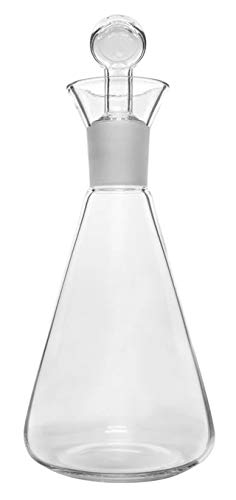
Iodine Flask With Glass Stopper 500ml. Iodine Flask for Lab
₹899.00Original price was: ₹899.00.₹499.00Current price is: ₹499.00. -
Sale!

Borosilicate Glass Bend Connector Tube Vacuum Distillation Take Off Adapter Borosilicate Glass Laboratory Chemical Equipment (B-24, Standard)
₹1,999.00Original price was: ₹1,999.00.₹617.00Current price is: ₹617.00. -
Sale!
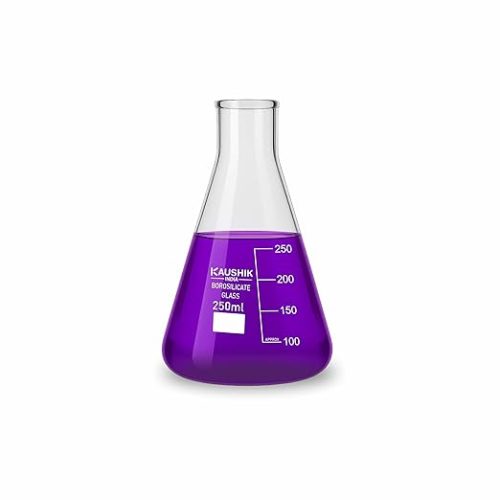
KAUSHIK INDIA Borosilicate Glass Conical Flask,250ml Capacity narrow mouth for storage liquid Chemical school, college, chemistry lab, Laboratories
₹199.00 – ₹569.00Price range: ₹199.00 through ₹569.00Select options This product has multiple variants. The options may be chosen on the product page Details
Reviews
There are no reviews yet.