
Premium borosilicate glass 3000ml distillation assembly, durable and efficient for laboratory use, ideal for accurate separation and purification.
“Borosilicate 3.3 Glass Measuring Cylinder with Graduation Marks for Measuring of Liquids 2000 ML” has been added to your cart. View cart
Sale!

Borosilicate Glass Distillation Apparatus or Distillation assembly unit (3000ML)
₹8,000.00 Original price was: ₹8,000.00.₹3,000.00Current price is: ₹3,000.00.
Categories: laboratary glassware, Scientific Instruments
Description
Comprehensive Guide to the 3000ml Distillation Assembly: Mastering Large-Scale Laboratory Separation
A 3000ml Distillation Assembly represents a essential configuration for medium to large-scale liquid separation in the laboratory. This complete distillation kit is engineered for efficiency, safety, and versatility.
The core of this system is the 3000ml distillation flask, a substantial piece of borosilicate glassware designed to handle significant volumes. This assembly is not a single item but an integrated system of specialized components. Each component plays a critical role in the distillation process.
The primary function of any distillation assembly is the purification and separation of liquid mixtures. This is achieved by leveraging differences in the volatilities of the mixture’s components.
The 3000ml distillation assembly is perfectly scaled for pilot plant research, small-batch chemical production, and educational demonstrations. It is ideal for processes requiring a larger volume than standard small-scale lab glassware can accommodate.
Yet it remains manageable on a standard laboratory bench 3000ml distillation assembly.
This extensive guide will provide a deep dive into the 3000ml distillation assembly. We will explore every component in detail. We will cover the principles of operation, the various types of distillation it can perform, and its vast range of applications.
Furthermore, we will discuss critical setup procedures, essential safety protocols, and best practices for maintenance. Understanding this powerful lab equipment is key to performing successful and safe distillation at a larger scale 3000ml distillation assembly.
1. The Core Component: The 3000ml Distillation Flask
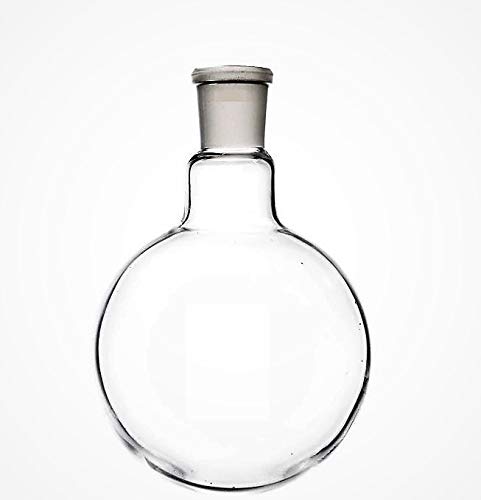
The heart of the entire 3000ml distillation assembly is, unequivocally, the 3000ml distillation flask. This is the vessel where the initial liquid mixture is placed and heated. Its large capacity defines the scale of the entire operation.
Typically manufactured from high-quality borosilicate glass 3.3, this flask is built to withstand significant thermal and mechanical stress.
The 3000ml round bottom flask is the most common design used in these assemblies. The spherical shape provides excellent strength under vacuum conditions.
It also allows for uniform heating and minimizes sharp corners where material can become trapped. 3000ml distillation assembly The flask features a primary neck, to which the distillation head is attached.
It often includes one or more additional necks. These extra necks allow for the insertion of a thermometer adapter, a heating mantle stirrer, or an addition funnel.
The robustness of the 3000ml boiling flask is paramount. It must safely contain boiling liquids and potentially corrosive chemicals. The use of borosilicate glass ensures superb thermal shock resistance.
This property is crucial when heating a large volume of liquid. The chemical resistance of the glass guarantees that the flask will not contaminate the mixture. It also ensures the flask itself will not degrade over time. A 3000ml distillation flask is a durable and reliable workhorse.
2. Anatomy of a Complete 3000ml Distillation Assembly
A fully equipped 3000ml distillation assembly is a carefully designed system of interconnected glassware and supporting components, each playing a crucial role in the distillation process.
Far from being just a collection of flasks and condensers, it is a coordinated unit that ensures safe, efficient, and precise separation of liquid mixtures. The large 3000ml round-bottom flask serves as the boiling vessel, providing ample capacity for bulk distillations. Above it, distillation heads and adapters regulate vapor flow and direct it through the system. Condensers cool and liquefy rising vapors, while receiving flasks collect the purified fractions.
Ancillary parts such as thermometers, vacuum adapters, joint clips, and stands add layers of control, measurement, and stability. When combined, these elements create a complete assembly capable of handling both simple and vacuum distillation, making it indispensable for advanced laboratory operations.
2.1. Heat Source: Heating Mantle and Temperature Control
Applying controlled heat to the 3000ml distillation flask is achieved with a heating mantle. A 3000ml heating mantle is specifically sized to snugly fit the round bottom flask.
It provides uniform, flask-enveloping heat. This is far superior to an open flame. Using a heating mantle eliminates hot spots and greatly reduces the risk of igniting flammable solvents.
The heating mantle is connected to a variable transformer or a digital temperature controller. This allows the operator to precisely regulate the power input.
Precise control is necessary to achieve a steady, controlled boil. It is critical for effective fractional distillation. For even more advanced control, a thermocouple can be inserted into the flask. This can provide feedback to the temperature controller.
2.2. The Distillation Head and Connecting Components
The distillation head is the component that connects the 3000ml boiling flask to the rest of the system. It serves as the conduit for the vaporized liquids.
A standard distillation head features a primary vertical connection for the condenser. It also has a side arm that slopes downward. This side arm is for connecting to the receiver adapter. Many heads also include a port for a thermometer.
The thermometer adapter holds a laboratory thermometer securely in place. The bulb of the thermometer must be positioned correctly. It should sit just below the entrance to the side arm.
This placement ensures an accurate reading of the vapor temperature. Accurate temperature measurement is the cornerstone of effective separation and fraction collection.
All connections in a proper 3000ml distillation assembly use standard taper ground glass joints. Common sizes for this scale are ST 24/40 or ST 29/42.
These joints provide a secure, leak-free connection without the need for rubber stoppers. They can be lightly greased with vacuum grease to ensure a perfect seal. This is especially important for vacuum distillation.
2.3. The Condenser: Heart of the Cooling System
The condenser is where the magic of phase change happens. Hot vapors travel from the distillation head into the condenser. Here, they are cooled and revert to a liquid state. For a 3000ml distillation assembly, a efficient condenser is mandatory. It must handle the high volume of vapor produced.
A Liebig condenser is a common choice for simple distillations. For more efficient cooling, a Graham condenser or a Dimroth condenser is often preferred. These designs offer a greater surface area for heat exchange. The condenser has an inner tube for vapor and an outer jacket for coolant flow.
Coolant, typically tap water, is connected to the condenser. The water inlet is always at the lowest point. The water outlet is at the highest point.
This counter-flow design ensures the condenser is always full of cold water. It maximizes cooling efficiency. The condenser is a critical piece of lab glassware for the distillation process.
2.4. The Receiver Adapter and Collection Flask
The now-liquid distillate exits the condenser and flows into the receiver adapter (or distillation adapter). This component directs the liquid into the appropriate collection flask.
A three-way receiver adapter is particularly useful. It allows the collection of multiple fractions without disassembling the entire 3000ml distillation assembly.
The collection flasks are typically round bottom flasks or Erlenmeyer flasks of smaller volume, such as 500ml or 1000ml. They are held in place using a flask clamp. During vacuum distillation, these receivers must be sturdy enough to withstand the external pressure.
2.5. Support Structures: Lab Stands and Clamps
The entire 3000ml distillation assembly is heavy and must be securely supported. A sturdy laboratory stand made of thick, powder-coated steel is essential. Several bossheads and extension clamps are used to hold the apparatus.
The 3000ml distillation flask must be clamped at its neck. The condenser requires its own support clamp. The collection flask should also be secured. Proper clamping prevents torque and stress on the ground glass joints. This is a fundamental aspect of lab safety. It prevents the entire expensive distillation kit from crashing to the bench.
3. The Science of Distillation: How the Assembly Works
The 3000ml distillation assembly operates on well-established physical principles. The process begins when heat is applied to the 3000ml boiling flask. The liquid mixture inside absorbs this thermal energy. The most volatile components (those with the lowest boiling points) will vaporize first.
These hot vapors are less dense than the liquid. They rise up through the neck of the flask. They enter the distillation head and move into the condenser. Inside the condenser, the vapors are surrounded by the cool wall of the inner tube. The coolant flowing in the outer jacket absorbs the heat from the vapors.
This heat loss causes the vapors to lose their latent heat of vaporization. They condense back into liquid form on the inner walls of the condenser. This liquid, now called the distillate, trickles down the tube. It flows through the receiver adapter and drips into the collection flask.
The key to separation is the temperature gradient. By carefully controlling the heat, the operator can selectively vaporize and condense specific components. The laboratory thermometer provides the critical data needed to make these decisions. This is the essence of the distillation process.
4. Types of Distillation Performed by the 3000ml Assembly
This versatile lab equipment can be configured for several advanced distillation techniques.
4.1. Simple Distillation
Simple distillation is the most fundamental form of distillation and serves as the starting point for many laboratory purification processes. It is typically employed when separating liquids with significantly different boiling points (generally a difference of 25°C or more). In this method, the 3000ml distillation assembly is arranged in its standard configuration, with the round-bottom flask acting as the boiling vessel, a distillation head and thermometer to monitor vapor temperature, and a condenser directing cooled vapors into a receiving flask.
This technique is highly effective for purifying solvents—for example, removing water from ethanol or recovering acetone from mixtures. It is also commonly used to isolate a volatile liquid product from a non-volatile residue, such as separating a liquid reagent from salts or other solid by-products. While simple in design, this process provides efficient purification when the components are well separated by their boiling ranges. However, it is less suitable for mixtures of liquids with close boiling points, where more advanced methods such as fractional distillation are required.
4.2. Fractional Distillation
For separating mixtures of liquids with closer boiling points, a fractionating column is added to the assembly. This column is inserted between the 3000ml distillation flask and the distillation head. The fractional distillation column provides additional surface area for vapor-liquid contact. This allows for multiple evaporation-condensation cycles within the column itself. This greatly enhances the separation efficiency.
4.3. Vacuum Distillation
This technique is used for distilling compounds with very high boiling points. It is also used for compounds that decompose at their normal boiling point. A vacuum pump is connected to the 3000ml distillation assembly, typically via the receiver adapter. Reducing the pressure inside the system lowers the boiling points of the components. This allows them to be distilled at much lower, safer temperatures. All components must be rated for vacuum use.
4.4. Steam Distillation
This is a common method for isolating essential oils and other temperature-sensitive natural products. Steam is introduced into the 3000ml distillation flask containing the plant material. The steam distillation process carries the volatile oils into the condenser. A 3000ml distillation assembly is perfectly sized for this application.
5. Key Applications and Uses of the 3000ml System
The 3000ml distillation assembly has widespread applications across numerous industries and research fields.
-
Chemical Synthesis and Pilot Plants: Used for purifying large batches of reagents, solvents, and reaction products. It is a cornerstone of process development and scale-up.
-
Essential Oil and Natural Product Extraction: Ideal for the steam distillation of plant materials to produce essential oils, hydrosols, and botanical extracts.
-
Biofuel Research and Production: Used in labs to distill and purify biofuels like ethanol, testing yields and purity from different feedstocks.
-
Pharmaceutical Development: Employed to purify active pharmaceutical ingredients (APIs) and intermediates during the research and small-scale production phases.
-
Educational Laboratories: Provides a dramatic and effective demonstration of distillation principles for university-level chemistry students.
-
Perfumery and Flavor Chemistry: Used by artisans and chemists to distill and blend aromatic compounds for fragrances and flavors.
-
Water Purification and Solvent Recycling: Capable of purifying large volumes of water or distilling used solvents for reuse, promoting green lab practices.
6. Essential Safety Protocols for Operating the 3000ml Assembly
Working with a large-scale distillation assembly demands rigorous attention to lab safety.
-
Personal Protective Equipment (PPE):
Always wear appropriate PPE to ensure maximum safety in the laboratory. This includes safety goggles to protect your eyes from chemical splashes, glass breakage, or sudden reactions; a lab coat to shield your skin and clothing from spills, stains, and hazardous substances; and heat-resistant gloves to safeguard your hands while handling hot glassware, heated equipment, or corrosive chemicals. -
Using proper PPE minimizes risks, promotes safe lab practices, and ensures compliance with standard laboratory safety protocols.
-
Fume Hood Operation:
The entire 3000ml distillation assembly must be set up and operated inside a certified fume hood. A properly functioning fume hood helps contain flammable vapors, prevents the accumulation of explosive gases, and significantly reduces the risk of ignition. -
It also provides a protective barrier against toxic or irritating chemical fumes, ensuring that laboratory personnel are not directly exposed during the distillation process.
-
Always verify that the fume hood is working correctly before use by checking airflow indicators or sash positions, and keep the sash lowered to the recommended level for maximum protection. Proper fume hood usage not only safeguards individuals but also maintains a safe and compliant laboratory environment.
-
Fire Safety:
Always ensure that a fire extinguisher and a fire blanket are readily accessible in the laboratory before beginning any distillation process. These emergency tools provide immediate response options in the event of a fire, whether it is caused by flammable vapors, solvent spills, or electrical equipment. -
Be acutely aware of the flammability of the solvents being used—many common laboratory solvents have low flash points and can ignite easily when exposed to open flames, sparks, or hot surfaces. Never work near ignition sources, and always store flammable liquids in approved safety cabinets when not in use.
-
Regularly review the location and proper use of fire safety equipment, and ensure that all personnel are trained in emergency procedures. Proactive fire safety measures significantly reduce risk and help maintain a controlled, secure laboratory environment.
-
Vacuum Safety:
When performing vacuum distillation, it is essential to follow strict safety measures to prevent accidents and equipment damage. Always use a vacuum gauge to monitor and control the pressure, avoiding sudden pressure drops that could cause glassware to implode. -
A cold trap must be placed between the distillation apparatus and the vacuum pump to condense and capture volatile solvents or vapors, protecting the pump from corrosion, contamination, and damage. Ensure that all glassware is specifically rated for vacuum applications, as standard glass can collapse under reduced pressure. Inspect glassware for cracks, scratches, or defects before use, and secure all joints with proper clamps and fittings.
-
3000ml distillation assembly Work behind a safety shield or within a fume hood whenever possible, as vacuum-related glass breakage can be sudden and hazardous. These precautions help maintain both operator safety and the longevity of laboratory equipment.
-
Preventing Pressure Buildup:
Never heat a closed system, as doing so can cause dangerous pressure accumulation inside the glassware. As the liquid heats, vapors expand and if they have no outlet, 3000ml distillation assembly the pressure can rapidly increase, leading to glass breakage, violent explosions, or chemical spills. -
To prevent this hazard, the distillation assembly must always include a vent to the atmosphere or be operated under a controlled vacuum system equipped with a pressure release mechanism. Ensure that all joints are properly secured but not sealed airtight, and verify that condensers, adapters, and receiving flasks allow for safe vapor escape.
-
If working under vacuum, regularly monitor the gauge and use appropriate safety features 3000ml distillation assembly such as cold traps and check valves. Proper venting safeguards both the equipment and the operator, ensuring smooth and safe distillation operations.
-
Secure Clamping: Double-check that all clamps are tight and the laboratory stand is stable. The weight of a 3000ml distillation flask full of liquid is substantial.
-
Coolant Hose Security: Use wire-wound or secure tubing for the condenser water lines. Ensure the drain line is not submerged in the drain bucket to prevent back-pressure.
7. Cleaning, Maintenance, and Storage
Proper care ensures the longevity and reliability of your investment.
-
Cleaning: Clean the 3000ml distillation assembly immediately after use. Disassemble all components. Rinse with an appropriate solvent, then wash with warm, soapy water and a brush. A final rinse with acetone or distilled water will speed drying.
-
Ground Glass Joint Care: Clean joints thoroughly with a tissue to remove old grease and residue. Inspect for chips or cracks. 3000ml distillation assembly Lightly regrease before reassembly for a perfect seal.
-
Storage: Store all components, especially the large 3000ml distillation flask, in a dedicated cabinet with adequate padding. Avoid storing them assembled to prevent stress on the joints.
-
Inspection: Before each use, inspect all glassware for stars, cracks, or chips. Compromised 3000ml distillation assembly glassware must be discarded immediately. It is a severe safety hazard under heat and vacuum.
Conclusion: The Workhorse for Large-Scale Laboratory Separation
The 3000ml distillation assembly is a quintessential example of functional lab equipment design. It scales the fundamental process of distillation to a level that is both practically useful and scientifically rigorous.
Its design, centered on the robust 3000ml distillation flask and integrating precision lab glassware components, allows for the safe and efficient handling of significant chemical volumes.
Mastering the setup, operation, and safety protocols of this assembly is a vital skill for any chemist, researcher, or lab technician working beyond the micro-scale. It is a versatile, durable, and 3000ml distillation assembly indispensable tool for purification, separation, and discovery in the modern laboratory.
Whether for producing fuels, medicines, or perfumes, the 3000ml distillation assembly remains a foundational instrument in the science of separation.
Be the first to review “Borosilicate Glass Distillation Apparatus or Distillation assembly unit (3000ML)” Cancel reply
Related products
-
Sale!
Round Bottom Flask 2000 ML With joint b-24
₹1,159.00Original price was: ₹1,159.00.₹659.00Current price is: ₹659.00. -
Sale!

KAUSHIK INDIA Borosilicate Glass Test Tube With Rim 18mmX150mm(25ml) Capacity- Pack of 20pcs|Heat & Chemical Durability|Perfect For Any School,Colledge Labs Experiment & For Sample collection
₹450.00Original price was: ₹450.00.₹249.00Current price is: ₹249.00. -
Sale!
Witeg Borosilicate Glass Coil Condenser with 24/29 Joint Jacket Length – 200 mm || Coil Condenser | Condernsor For Distillation Assembly ||
₹999.00 – ₹2,229.00Price range: ₹999.00 through ₹2,229.00Select options This product has multiple variants. The options may be chosen on the product page Details
Reviews
There are no reviews yet.